An Innovative Integrated Approach to Dry Eye Treatment
An Innovative Integrated Approach to Dry Eye Treatment: Focus on the Role of MGD and Demodex Blepharitis
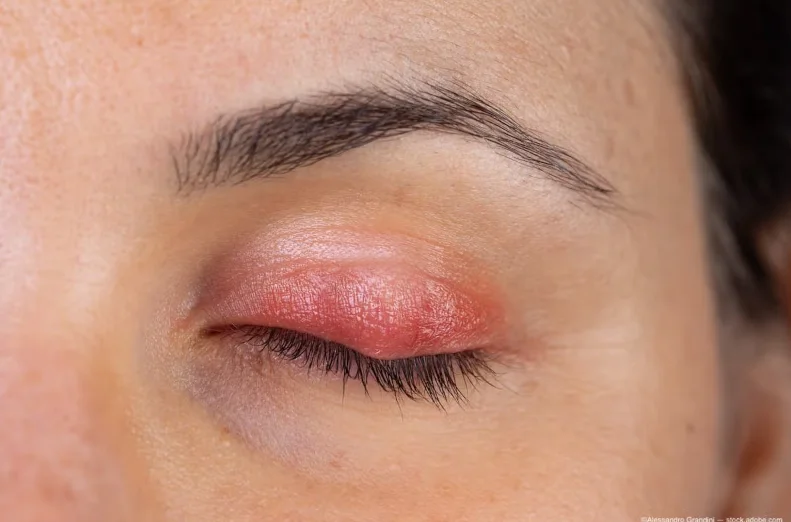
An Innovative Integrated Approach to Dry Eye Treatment: Focus on the Role of MGD and Demodex Blepharitis
Recent studies show that 86% of dry eye patients suffer from the evaporative type, which is usually caused by Meibomian Gland Dysfunction (MGD). Dysfunction of these glands leads to a reduction in both the quality and quantity of the eye’s natural oils, resulting in rapid tear evaporation and ocular surface inflammation.
Coexistence of Demodex Blepharitis (DB) with MGD is very common. Today, Demodex blepharitis can be easily diagnosed by the observation of collarettes (cylindrical dandruff at the base of the eyelashes), eliminating the need for microscopic evaluation. Recognizing this condition is particularly important in patients preparing for cataract surgery, as it can increase the risk of infection.
Recommended treatments for this condition include:
-
Lid margin cleaning (BlephEx): Removal of biofilm and accumulated debris from the lid margin in the clinic.
-
Lotilaner ophthalmic solution 0.25% (Xdemvy): A new, CE-approved therapy for complete eradication of Demodex mites and reduction of collarettes, with impressive efficacy shown in clinical trials.
-
Thermal Pulsation (such as LipiFlow): Used after mite eradication to open the meibomian glands and improve meibum quality.
-
Miebo ophthalmic solution: Reduces tear evaporation by creating a protective layer and improves the ocular surface.
Home care also includes the use of omega-3 (rTGC) supplements, lid hygiene with tea tree oil-based products, and warm compresses.
Conclusion:
An integrated treatment approach—from precise diagnosis to simultaneous treatment of MGD and Demodex, along with continuous at-home care—ensures significant symptom improvement and a better quality of life for patients.
Refrences:
-
Lemp MA, Crews LA, Bron AJ, et al. Distribution of aqueous-deficient and evaporative dry eye in a clinic-based patient cohort: a retrospective study. Cornea 2012;31(5):472-8.
-
Ayres BD, Donnenfeld E, Farid M, et al. Clinical diagnosis and management of Demodex blepharitis: The Demodex Expert Panel on Treatment and Eyelid Health (DEPTH). Eye (Lond) 2023;37(15):3249-55.
-
Rhee MK, Yeu E, Barnett M, et al. Demodex blepharitis: A Comprehensive review of the disease, current management, and emerging therapies. Eye Contact Lens 2023;49(8):311-8.
-
Gaddie IB, Donnenfeld ED, Karpecki P, et al. Lotilaner ophthalmic solution 0.25% for Demodex blepharitis: Randomized, vehicle-controlled, multicenter, phase 3 trial (Saturn-2). Ophthalmology 2023;130(10:1015-23.
-
Lane SS, DuBiner HB, Epstein RJ, et al. A new system, the LipiFlow, for the treatment of meibomian gland dysfunction. Cornea 2012;31(4):396-404.
-
Greiner JV. Long-term (3 year) effects of a single thermal pulsation system treatment on meibomian gland function and dry eye symptoms. Eye Contact Lens 2016;42(2):99-107.
-
Tauber J, Berdy GJ, Wirta DL, et al. NOV03 for dry eye disease associated with meibomian gland dysfunction: results of the randomized phase 3 GOBI study. Ophthalmology 2023;130(5):516-24.
-
Sheppard JD, Kurata F, Epitropoulos AT, et al. NOV03 for signs and symptoms of dry eye disease associated with meibomian gland dysfunction: the randomized phase 3 MOJAVE study. Am J Ophthalmol2023;252:265-74.
-
Epitropoulos AT, Donnenfeld ED, Shah ZA, et al. Effect of oral re-esterified omega-3 nutritional supplementation on dry eyes. Cornea 2016;35(9):1185-96.
-
Smith SG, Gross MB, Sandnes OE, Physicians Recommended Nutriceuticals, LLC. Methods for improving the quality of the meibum composition of meibomian glands. U.S. Patent No. 9,381 183 B2, July 5, 2016.
-
https://www.ophthalmologytimes.com/view/managing-patients-with-mgd-and-demodex-blepharitis